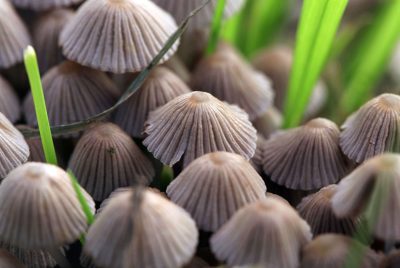
Psilocybe semilanceata are a species of mushroom that can induce an LSD sort of trippy feeling…
The Ultimate Guide to Lion’s Mane: The Mushroom for Brain Health, Focus, and Nerve Regeneration
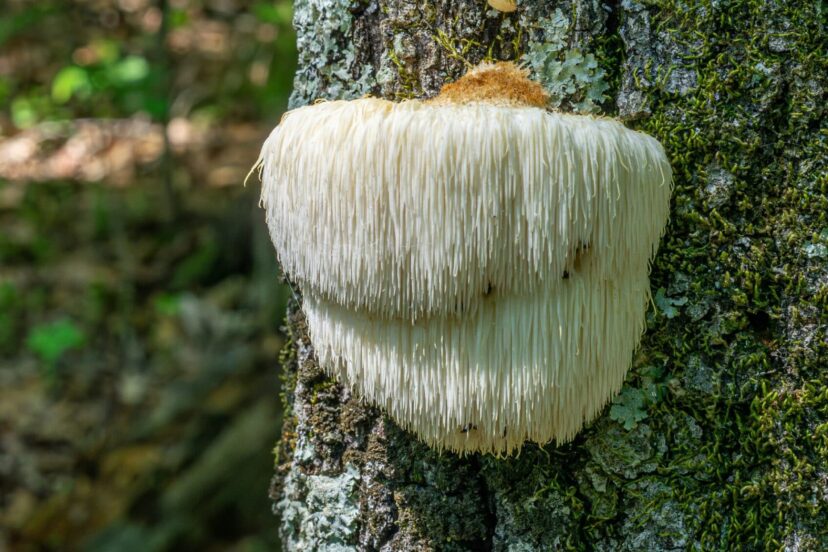
Lion’s Mane Offers Functional Medicinal Attributes For Our Body and Mind
In the rapidly expanding world of functional wellness, few natural remedies have captured the
public imagination quite like Lion’s Mane (Hericium erinaceus). With its striking
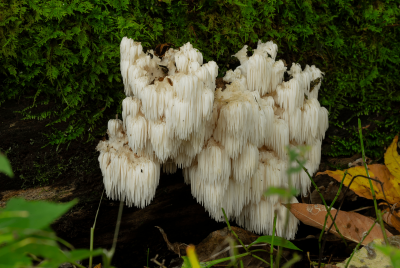
appearance—resembling a cascading waterfall of white, shaggy icicles rather than a traditional
cap and stem—this unique fungus has transitioned from an ancient staple of Traditional Chinese
Medicine (TCM) to a modern blockbuster in the nootropics and biohacking communities.
Today, busy professionals, students, and aging adults are turning to Lion’s Mane not for physical
stamina, but for cognitive enhancement. It is widely sought after to banish “brain fog,” sharpen
daily focus, and protect long-term neurological health. But what does the science actually say
about this unique mushroom?
1. What is Lion’s Mane?
Lion’s Mane is a wood-rot fungus that primarily grows on dead or dying hardwood trees, such as
oak and beech, throughout North America, Europe, and Asia. In culinary circles, it is prized for
its meaty, tender texture and a flavor profile remarkably similar to lobster or crab when sautéed
in butter.
However, its medicinal profile is where the true magic lies. In traditional Eastern herbalism, it
was historically used to fortify the spleen, nourish the gut, and cultivate Qi (the body’s vital
energy). Modern science has since revealed that its benefits are deeply tied to its unique
biochemical makeup, specifically two classes of compounds found nowhere else in nature:
hericenones (found in the mushroom’s fruiting body) and erinacines (found in the root-like
mycelium).
2. The Science of Brain Power: NGF and
Neuroplasticity
The primary reason Lion’s Mane has achieved superstar status is its documented ability to cross
the blood-brain barrier and stimulate the production of Nerve Growth Factor (NGF).
NGF is a specialized protein crucial for the survival, maintenance, and regeneration of neurons
in the brain and peripheral nervous system. As we age, our natural production of NGF declines,
which can contribute to cognitive decline, memory lapses, and reduced neuroplasticity (the
brain’s ability to form new neural connections).
By stimulating NGF, Lion’s Mane essentially acts as fertilizer for your brain cells. Research
indicates that this boost in NGF supports:
● Neurogenesis: The creation of new neurons in the hippocampus, the brain region
responsible for learning and memory.
● Myelination: The repair and maintenance of the myelin sheath, the protective coating
around nerve fibers that ensures fast, efficient electrical signaling.
A landmark double-blind, placebo-controlled study published in Phytotherapy Research looked
at Japanese adults with mild cognitive impairment. Those who consumed 3 grams of Lion’s
Mane powder daily for 16 weeks scored significantly higher on cognitive function scales than the
placebo group. Interestingly, once they stopped taking the supplement, their scores returned to
baseline, suggesting that consistent, daily use is key to maintaining its cognitive benefits.
3. Banishing Brain Fog and Enhancing Daily Focus
While long-term brain health is a major selling point, most users look to Lion’s Mane for
immediate, day-to-day performance. “Brain fog”—that frustrating state of mental fatigue,
sluggish thinking, and scattershot attention—is a common modern complaint driven by stress,
poor sleep, and digital overload.
Unlike synthetic stimulants or heavy doses of caffeine, which force a temporary spike in
dopamine and often end in a jittery crash, Lion’s Mane improves focus through optimization
rather than stimulation. Users frequently report a subtle, clean clarity that sets in over a few
weeks of consistent use. Thoughts feel easier to organize, working memory feels sharper, and
the mental stamina required to power through complex deep-work tasks is noticeably sustained.
4. Mood, Anxiety, and Stress Support
The brain-boosting benefits of Lion’s Mane extend beyond memory and focus into emotional
well-being. Chronic inflammation and erratic neurological signaling are increasingly linked to
mood disorders like anxiety and depression.
By promoting neurogenesis in the hippocampus, Lion’s Mane may help regulate emotional
responses. Animal models have shown that Lion’s Mane extracts can help blunt the
physiological impacts of chronic stress.
Furthermore, a small clinical study involving women
over a 4-week period showed that consuming cookies containing Lion’s Mane reduced
self-reported feelings of irritation and anxiety compared to those eating placebo cookies,
suggesting a direct stabilizing effect on the central nervous system.
5. Secondary Benefits: Gut Health and Immunity
While it is celebrated as a cognitive enhancer, Lion’s Mane is still a functional mushroom at its
core, meaning it offers systemic benefits for the rest of your body.
Gut-Brain Axis Support
The gut and the brain are in constant communication via the vagus nerve. Lion’s Mane is rich in
prebiotic fibers and unique polysaccharides that support a healthy gut microbiome. It has been
shown to protect the stomach lining, inhibit the overgrowth of harmful bacteria like H. pylori, and
reduce inflammation in the digestive tract, making it a valuable tool for overall digestive
wellness.
Immune Modulation
Like Reishi and Turkey Tail, Lion’s Mane contains high levels of beta-glucans. These complex
carbohydrates plug directly into receptors on your immune cells, essentially training your
immune defense system to be more resilient and responsive to pathogens without
overstimulating the body into an inflammatory state.
6. How to Choose and Use a Lion’s Mane Supplement
Because the market is flooded with products, knowing how to read a supplement label is critical
to getting actual results.
Fruiting Body vs. Mycelium on Grain
Many cheap supplements use “mycelium on grain,” where the roots of the mushroom are grown
on a bed of rice or oats, and the whole mixture is ground into powder. This results in a product
that is mostly starch. Look for labels that explicitly state “100% Fruiting Body” or verified pure
mycelial extracts to ensure you are getting the active hericenones and erinacines.
Hot Water Extraction
Mushroom cell walls are made of chitin, a tough material that humans cannot digest easily. To
make the beneficial compounds bioavailable, the mushroom must undergo an extraction
process. Ensure your supplement says “Hot Water Extracted” or “Dual Extracted” (which
uses both water and alcohol to capture water-soluble beta-glucans and alcohol-soluble
triterpenes).
Dosing
For standard cognitive support, a daily dose of 500mg to 1,500mg of a high-quality,
standardized extract is typical. It can be taken as capsules, or as a bulk powder mixed directly
into morning coffee, tea, or smoothies.
Conclusion
Lion’s Mane is far more than a passing wellness trend; it represents a fascinating bridge
between ancient holistic wisdom and modern neurobiology. Whether you are looking to protect
your mind as you age, fight off daily burnout, or squeeze an extra edge of productivity out of
your workday, this shaggy white fungus offers a scientifically backed, natural solution for
optimizing human potential from the inside out.

More to Explore